Estate Planning for High-Net-Worth Families: What Changes?

As wealth grows, estate planning usually gets more layered. A simple will may still have a place, but high-net-worth families often need a broader plan that accounts for tax exposure, business ownership, real estate holdings, family dynamics, and long-term control over how assets are managed.
That’s where estate planning starts to shift. The goal is no longer just passing assets from one generation to the next but doing so in a way that protects the estate, reduces avoidable tax consequences, and keeps the plan workable as family and financial circumstances change.
More Wealth Usually Means More Moving Parts
For many families, the difference is not just the size of the estate, but the complexity that comes with it. A high-net-worth estate may include closely held businesses, multiple properties, investment accounts, life insurance, and assets that are expected to appreciate over time. It may also involve second marriages, children from different relationships, charitable goals, or beneficiaries who need long-term oversight rather than an outright distribution.
In that setting, estate planning becomes less about a single set of documents and more about building a structure that can withstand the test of time.
Trust Planning Becomes More Important
Trusts tend to play a larger role for high-net-worth families because they offer greater flexibility than a basic will. Depending on the goal, a trust may help with control, creditor protection, privacy, tax planning, or long-term distribution planning.
That doesn’t mean every affluent family needs the same trust structure. Some plans are built around keeping life insurance outside the taxable estate. Others are designed to transfer appreciating assets more efficiently or preserve wealth across multiple generations. The right structure depends on the family, the assets, and what the plan is meant to accomplish.
Tax Planning Becomes Part of the Conversation
For larger estates, transfer taxes become a more serious issue. That is one reason lifetime gifting often comes into the picture. Making gifts during life can reduce the size of the taxable estate and shift appreciation out of the estate.
Families with business interests or significant real estate holdings may also use entities such as LLCs or family partnerships as part of their planning strategy. These tools can help with management, gifting, and long-term ownership planning, but they need to be set up carefully and reviewed over time.
Business Succession Needs a Clear Plan
If a family business is one of the estate’s largest assets, succession planning becomes essential. The question goes deeper than simply who inherits ownership, but also who will manage the business, how decisions will be made, and how conflicts will be decided if multiple family members are involved.
That part of the plan may include buy-sell agreements, trust planning, insurance-backed funding arrangements, or a broader transition strategy for management and control. Without that kind of planning, even a successful business can become a source of uncertainty after a death or incapacity.
Charitable Goals Can Also Shape the Plan
For some high-net-worth families, estate planning includes philanthropy. Charitable giving may be part of the family’s values, but it can also be part of a broader planning strategy. Depending on the structure, charitable tools can support giving goals while also helping address income tax or estate tax concerns.
The important point is that charitable planning works best when it is part of the larger plan, not added at the end.
What Does an Estate Planning Lawyer Do?
An estate planning lawyer helps families build and maintain the legal structure behind a wealth transfer plan. For high-net-worth families, that usually means more than drafting a will. It can include trust planning, business succession, tax-sensitive gifting strategies, beneficiary coordination, and periodic updates as the law or family circumstances change.
In other words, the work is not just document preparation. It is strategy, structure, and long-term maintenance.
The Plan Needs to Keep Pace With the Family
For high-net-worth families, estate plans are rarely one-and-done. Assets are bought and sold, tax laws adapt and evolve, and family relationships change with every birth, death, marriage, and divorce. A plan that made sense five years ago may need updates now, so estate planning at any level should be treated as an ongoing process. The objective is to create a plan that protects wealth, supports the family, and remains aligned with the client’s goals over time.
If you are looking for an estate planning lawyer, it helps to work with a firm that can look beyond basic documents and help you think through the larger structure of the plan.
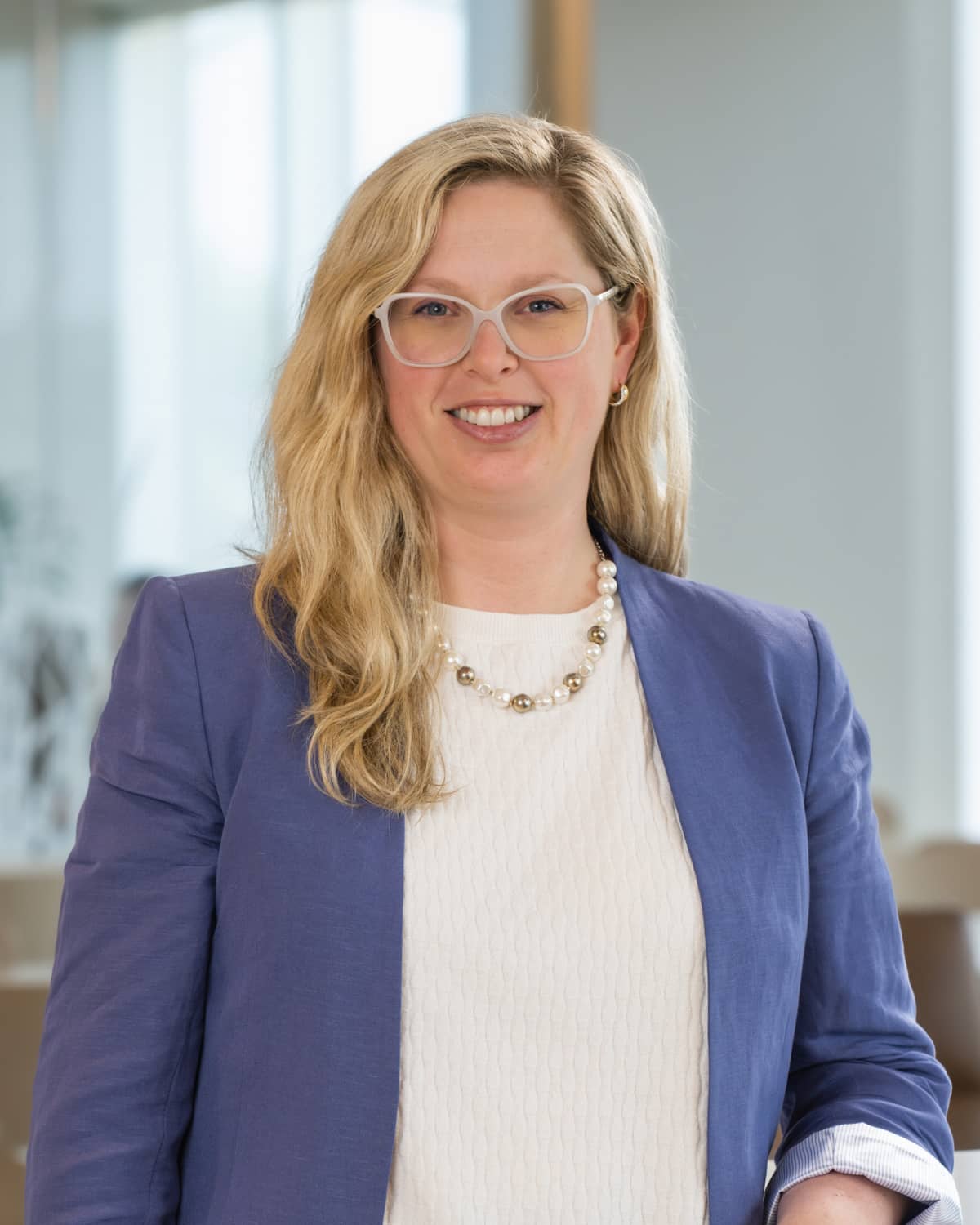
Rachel H. Snead
757-399-7506 | 252-722-2890
rsnead@hooklaw.net
Rachel Snead joined Hook Law in 2019. Her practice is focused primarily in estate planning, estate and trust administration, guardianship and conservatorships, dispute resolution, and fiduciary litigation. She enjoys the diversity of work that elder law provides and the challenges presented by litigation, just as much as she enjoys helping people create their unique estate plans and navigate the complex administration of estates and trusts.
In 2022, she attended the prestigious National Trial Advocacy College at the University of Virginia School of Law, where she received intensive hands-on advocacy training. Rachel has taught multiple continuing legal education courses, including “Getting Started in Elder Law,” “Virginia Probate from Start to Finish,” and “Guardianships and Assisted Decision-Making in Virginia.” She has facilitated sessions for VAELA, including “Medicaid & SSI When a Client Owns a Business.” She has also been published on various platforms, including T & E Magazine, WealthManagement.com, and Age in Action, a quarterly newsletter published by the Virginia Center on Aging and the Virginia Department for Aging and Rehabilitative Services.
Rachel lives in Virginia, where her compassion for others extends beyond her legal work to her love for animals. When she’s not advocating for her clients, she fosters kittens through local rescue organizations. Rachel also enjoys reading, cross-stitching, and spending quality time with her niece and nephew.
Practice Areas
- Estate Planning
- Estate & Trust Administration
- Guardianships & Conservatorships
- Litigation & Dispute Resolution