Erin Gustafson: From Daughter to Caregiver
Erin Gustafson: From Daughter to Caregiver
Full Episode Summary
What happens when the person who has always cared for you suddenly needs you to care for them?
In this episode of Aging Unfiltered: Real. Raw. Law., Edna Colucci and Ashli Carroll sit down with Erin Gustafson, a paralegal at Hook Law whose professional work with families is deeply connected to her own experience caring for her mother after a diagnosis of Lewy Body dementia.
Erin shares how her mother—once extremely active, healthy and independent—began experiencing changes in memory, behavior and daily functioning while living across the country from her. What followed was a complicated journey involving long-distance caregiving, family resistance, caregiver burnout, legal decision-making, care facilities, an emergency cross-country move and the overwhelming task of trying to find the right help while already in crisis.
She also speaks candidly about the emotional side of caregiving: the guilt of wondering whether you should be doing more, the grief of watching a parent change, the reversal of the parent-child relationship and the realization that moving someone into a care community does not end the caregiver’s role.
Erin’s experience ultimately changed the direction of her career. After feeling isolated and unprepared during her own family’s journey, she wanted to help other families avoid facing the same challenges alone.
The conversation is a powerful reminder to have difficult conversations early, keep legal documents current, build a team of trusted professionals and understand a loved one’s wishes while they can still express them.
Key Takeaways
- Dementia can affect families who seem to be doing everything “right.” Erin describes her mother as active, health-conscious and independent before cognitive changes began.
- Family members often notice the changes first. Shifts in memory, personality, recall or daily functioning can be easier for those closest to someone to recognize.
- Long-distance caregiving adds another level of difficulty. Trying to assess a situation, advocate for a parent and coordinate care from another state can leave family members feeling helpless.
- Caregiver burnout can become a family crisis. A primary caregiver may eventually reach a point where they can no longer safely manage the responsibility alone.
- Resistance within a family can delay needed help. Conversations about declining health, additional care or a change in living arrangements can be met with denial, fear or defensiveness.
- Legal documents need to be prepared before the crisis. Powers of attorney and other decision-making documents can become essential when someone loses the ability to make or communicate decisions independently.
- Documents should also stay current. The person originally designated to serve may experience burnout, illness or another change that makes them unable to continue in the role.
- Placement does not automatically mean appropriate care. Families still need to monitor medications, nutrition, mobility, daily care and whether their loved one has someone actively advocating for them.
- You may have to become the advocate. Erin's experience required her to ask questions, research options, connect with professionals and push for changes when something did not seem right.
- Use your network. Friends, professional connections, social media and people already working in aging-related fields can lead families to resources they may never find on their own.
- Moving into a care community does not end caregiving. The responsibilities change, but advocacy, decision-making and emotional involvement continue.
- Caregiving includes grief. Families may grieve the relationship they once had with a parent even while that parent is still physically present.
- Have the hard conversations while there are still choices. Ask parents what they want, where they would want to live, who should make decisions and how they want to be cared for before cognitive decline limits their ability to participate.
- A strong team matters. Legal professionals, health care providers, care professionals, family and other trusted resources can make an overwhelming situation more manageable.
- Personal experience can become a source of purpose. Erin's caregiving journey is now part of how she connects with and supports families facing similar challenges.
Topics discussed
- 00:00 – Welcome to Aging Unfiltered Edna and Ashli introduce the episode and remind listeners that the podcast shares personal experiences and general information rather than individualized legal or medical advice.
- 01:00 – Meet Erin Gustafson Erin is introduced not only as a Hook Law paralegal who works with families navigating aging and long-term care, but also as a daughter who has personally experienced the caregiving journey.
- 03:00 – Recognizing Changes From Across the Country While Erin lived away from her mother, she began noticing changes in her mother's demeanor, memory and ability to recall information.
- 04:30 – When the Situation Became a Crisis Eventually, the existing caregiving arrangement could no longer continue, forcing the family to make significant decisions quickly.
- 06:00 – Finding Residential Care The family sought help placing Erin's mother into a residential care environment while Erin was still trying to coordinate much of the situation from another state.
- 07:30 – Researching Everything Erin describes constantly researching dementia, care options and available resources because she did not know where else to turn.
- 09:30 – Hospital and Rehabilitation Care Erin's mother went through hospital and rehabilitation settings while the family worked to stabilize her health and determine a longer-term solution.
- 11:30 – What Was Lost During the Process Even with improved care, Erin reflects on the progression of dementia and the abilities and time that cannot be restored.
- 13:30 – The Parent-Child Role Reversal The person Erin once depended on now depended on her, requiring Erin to take on responsibilities she never expected to have.
- 15:00 – “I Wasn't Prepared for This” Erin discusses the whirlwind of entering crisis mode and wishing more families understood these issues before they were forced to confront them.
- 18:00 – Crisis Planning Is More Than Medical Care Families dealing with dementia may simultaneously be facing emotional, medical, financial, family and legal decisions.
- 20:00 – The Role of Elder Law Professionals Attorneys and their teams can help families think beyond individual documents and navigate the larger network of decisions surrounding aging.
- 21:30 – Why Legal Planning Mattered So Much Powers of attorney and other legal documents became some of the tools that allowed Erin to act for her mother when circumstances changed.
- 25:00 – The Guilt Caregivers Carry Erin speaks openly about guilt—including questions about why she could not simply care for her mother herself.
- 26:30 – Preserve Choices Before Capacity Is Lost Once cognitive decline progresses, families may have fewer options and the individual may have less control over what happens next.
- 28:00 – You Shouldn't Have to Do This Alone A good team of family members and professionals can help families navigate an experience that is too complex for one person to carry alone.
Full transcript
Lightly edited for readability. Repeated phrases, filler words and overlapping conversation have been cleaned up while preserving the substance of the episode.
Aging Unfiltered — Episode 3
Edna: Hello, everyone, and welcome back to Aging Unfiltered.
I’m Edna.
Ashli: And I’m Ashli. Thank you for joining us for another conversation about aging, caregiving and the experiences that shape families.
Before we begin, we want to remind everyone that this podcast is intended to encourage conversation and share personal experiences. Nothing discussed today should be considered legal advice, medical advice or individualized professional advice.
Listening does not create an attorney-client relationship with Hook Law or any of its attorneys. Every family is different, every situation is different, and if you have questions about your own circumstances, we encourage you to seek guidance from the appropriate professionals in your state.
Today’s guest is very special to us.
Not only is Erin Gustafson an experienced paralegal here at Hook Law who helps families every day, but before she ever entered this profession, she was a daughter who suddenly found herself navigating one of life’s most difficult journeys.
She has lived what many of the families we work with are living.
Erin, thank you for being here.
Erin: Thank you for having me.
Edna/Ashli: When we were talking about having you on the podcast, one of the things that struck us was how quickly your life changed.
Can you take us back to when you first realized something was happening with your mom?
Erin: My mom is 72 now, but she was much younger when we first started seeing signs that something wasn’t right.
And that’s important because, before that, she was extremely healthy and active.
She exercised. She ran. She ate well. She was the kind of person you would look at and think, “She’s doing all of the things she’s supposed to do.”
She was very independent.
So when things began changing, it wasn’t something we were prepared for.
At the time I was living on the East Coast, and she was in California.
Over time, I started noticing differences in her demeanor and in her recall.
Something would happen in a conversation and I would think, “That’s not Mom.”
And because I wasn’t physically there every day, I was trying to understand what I was hearing and seeing from a distance.
Edna/Ashli: Did you know much about dementia at that point?
Erin: Not really.
I started researching everything I could.
We had some dementia in the family, so I wasn’t completely unfamiliar with the idea, but I had never been the person responsible for navigating it.
I didn’t know what I was supposed to be looking for.
I didn’t know what resources existed.
I didn’t know what the next step was.
I just knew something was changing.
My father was there with her and became her primary caregiver.
I started trying to have conversations about my concerns and about whether she needed more help.
Those conversations were hard.
There was resistance.
Every time I tried to push the issue, it felt like another layer of defensiveness was added between us.
My dad wanted to take care of her.
I kept thinking, “She needs more than what one person can provide.”
But that’s a really hard thing for a spouse to hear.
Edna/Ashli: Especially when that person has built a life around taking care of their spouse.
Erin: Exactly.
Eventually, though, caregiver burnout became a very real part of the situation.
The arrangement simply could not continue the way it had been going.
And suddenly the conversations we had been trying to have weren’t hypothetical anymore.
We were in a crisis.
My husband and I had to become much more directly involved.
That was the beginning of this complete shift in my role.
I went from being her daughter to being the person who needed to help make decisions for her.
Edna/Ashli: And when someone has dementia, that brings the legal side into the picture too.
Erin: Yes.
At that point, we had to understand what authority I had and what documents existed.
My mom had reached a point where doctors had concerns about whether she could make certain decisions independently.
Fortunately, there had been some planning.
There were legal documents in place that became incredibly important.
I cannot emphasize that enough.
You don’t want to be learning what a power of attorney does for the first time while your family is already in a crisis.
You don’t want to discover at that moment that the person named in a document can’t serve anymore or that something hasn’t been updated.
Those documents were some of the tools that allowed us to move forward.
Edna/Ashli: What happened next with your mom’s care?
Erin: My family found a residential care setting for her in California.
At the time, I was grateful that she was somewhere.
I thought, “Okay. She’s safe. There are people around her. This is what we needed.”
But I learned very quickly that placing someone somewhere doesn’t mean your job as an advocate is over.
I was still several states away.
I would call.
I would ask questions.
I would try to understand what was happening.
And over time I started hearing and seeing things that made me uncomfortable.
There were questions about medications.
There were questions about eating.
There were questions about how much she was moving and what her daily life actually looked like.
I started realizing that she did not have someone there advocating for her the way she needed.
And that became a turning point for me.
Edna/Ashli: So you had to start researching again.
Erin: Constantly.
I researched everything.
I reached out to everyone I could think of.
I used social media.
I contacted people I knew professionally.
I basically said, “I need somebody who understands this. Who do you know?”
Because I didn’t know the system.
I didn’t know which professionals handled which parts.
I didn’t know where to go first.
I just knew my mom needed something different.
One of the most important things I learned was to ask.
Tell people what’s happening.
You never know who has a connection.
One person knows somebody, who knows somebody else, and suddenly you’re talking to the person who understands the exact problem you’re trying to solve.
That network became incredibly important.
Edna/Ashli: Eventually, you made the decision to bring her closer to you.
Erin: Yes.
It eventually reached the point where I knew I needed to get her out of the situation she was in.
And when that happens, you don’t get weeks to calmly make a beautiful plan.
You’re figuring out flights.
You’re figuring out transportation.
You’re trying to understand what a person with dementia can tolerate.
You’re trying to coordinate medical needs.
You’re figuring out where they can go when they arrive.
And you’re doing it while you’re emotional because this is your mom.
We ultimately got her from California to the East Coast.
There were hospital and rehabilitation stays involved before we were able to get her into a longer-term setting closer to me.
It was an enormous process.
Edna/Ashli: How did she do once she was closer?
Erin: Physically, we saw improvements once she was receiving more consistent care.
She was eating better.
Her weight improved.
There was more attention to her day-to-day needs.
She was able to participate in activities and be around people.
And that was a relief.
At the same time, dementia doesn’t stop progressing because you’ve solved the placement problem.
There were abilities she lost during that period that we weren’t going to get back.
That’s hard to accept.
You can improve someone’s care and still grieve what has already changed.
Edna/Ashli: There’s also this assumption that once you’ve found a care community, the problem has been solved.
Erin: It hasn’t.
The job changes.
It doesn’t end.
You’re still the advocate.
You’re still the person asking questions.
You’re still the decision-maker.
You’re still the person getting the phone calls.
You’re still worrying.
She’s in a care environment, but I’m still her caregiver.
I’m still responsible for helping make decisions in her best interest.
Edna/Ashli: Your mom had been the caregiver for your family for so much of her life.
What was that role reversal like?
Erin: Very difficult.
My mom was a devoted mother and wife.
She spent her life taking care of everyone else.
There were three children in our family, and she was the person who was always there.
She sacrificed so much for her family.
Then suddenly, during the years when she should have had time to enjoy things for herself, dementia happened.
And now I’m taking care of her.
That role completely reversed.
The person who had always been responsible for me now needed me to be responsible for her.
You don’t really understand how emotional that is until you’re in it.
Edna/Ashli: At some point, you had to make the decision that you were simply going to take this on.
Erin: Yes.
There comes a point where you realize somebody has to do it.
I knew no one was there in the way she needed someone to be.
I knew I had to step forward.
I wasn’t prepared for it.
I don’t think most people are.
You’re suddenly in this whirlwind trying to learn everything at exactly the moment you’re also trying to process what is happening to someone you love.
I wish more families were prepared before they reached that point.
Edna/Ashli: And you were doing all of this from another state for a large part of the journey.
Erin: That made it incredibly difficult.
When your parent is in another state and the only realistic way to see them is to get on an airplane, you feel helpless.
I also had my own children.
I had work.
I had an established life.
You can’t be everywhere.
And emotionally, that’s hard.
You always feel like maybe you should be doing more.
You start thinking, “If I lived there, would this be different?”
“Should I be there right now?”
“Am I missing something?”
It’s a constant balancing act between being a caregiver and still being responsible for the rest of your life.
Edna/Ashli: What became your biggest resource?
Erin: People.
Honestly, people.
My network was huge.
Social media became a resource because I could say, “Does anybody know someone who does this?”
And somebody would.
Even if the first person I contacted couldn’t help me directly, they often knew somebody else.
That’s one of the things I tell families now.
Don’t assume you have to know the answer.
You need to know how to ask for help.
You need to start making connections.
There are people who do this work every day.
The problem is that, when you’re the family in crisis, you often don’t know they exist.
Edna/Ashli: That’s something we see all the time.
Families come in thinking there’s one problem, but when you start talking, there’s the medical issue, the emotional issue, the family dynamic, the legal issue and the care issue.
Erin: Exactly.
It’s everything at the same time.
And that’s why preparation matters so much.
Legal documents were a huge part of my ability to help my mom.
But those documents also have to reflect reality.
Who is named as the agent?
Can that person still serve?
Is the primary caregiver exhausted?
Is that person dealing with their own health concerns?
Does someone else need to step in?
You can have a document and still find yourself with a plan that doesn’t work anymore because the people or circumstances have changed.
Edna/Ashli: Caregiver burnout is a perfect example.
If the person named to make decisions is also the person who has been providing around-the-clock care and they’ve reached their limit, the family needs another path.
Erin: Right.
And that’s where having professionals and a broader support system can make such a difference.
You’re not simply trying to solve one legal problem.
You’re trying to help a family navigate the entire situation.
Edna/Ashli: At some point, this stopped being only your family’s experience and became something that changed the direction of your career.
When did that happen?
Erin: It came out of feeling so alone.
This was one of the hardest periods of my life.
I remember thinking that I did not want another person to feel as lost and isolated as I had felt.
Before this, my professional background was different. I had worked in business and marketing.
I wasn’t sitting there thinking, “I’m going to build a career in elder law.”
I just knew I wanted to do something with what I had learned.
I knew there were going to be other families who needed help.
And I knew how important the legal documents had been during my mother’s situation.
The power of attorney was one of the things that allowed me to act when I needed to.
That opened my eyes to how much legal planning matters.
Eventually, through connections and conversations, I found my way into this work.
I told my story.
Someone heard it and understood exactly why that experience could matter when helping families.
And here I am.
Edna/Ashli: Now you’re sitting with families who may be at the beginning of the exact kind of journey you’ve already lived.
Erin: And I see myself in their stories all the time.
Obviously, no two families are identical.
But someone will say something and I understand that feeling.
I’ve been the daughter who was scared.
I’ve been the person trying to find a facility.
I’ve been the person trying to understand documents.
I’ve been the person getting the phone calls.
I’ve been the caregiver who feels guilty.
I’ve been in that crisis mode.
So when a family tells me what they’re experiencing, I can bring the professional knowledge I have now, but I also understand what it’s like to be sitting on the other side of the table.
Edna/Ashli: There can be a lot of comfort in realizing that someone on your team actually understands.
Erin: Absolutely.
You want people around you who know what they’re doing professionally.
But there is also something powerful about someone saying, “I’ve been through something similar. I understand why this feels impossible right now.”
You need both.
Edna/Ashli: One thing families sometimes assume is that once Mom or Dad has moved into a care community, the difficult part is finished.
You’ve already said that’s really the beginning of another chapter.
Erin: It is another chapter.
My mom is in a care setting now, but I’m still involved.
I’m still her advocate.
I’m still helping make decisions.
I’m still responsible for things on her behalf.
And then there’s the guilt.
People don’t always understand the guilt that comes with not caring for a parent in your own home.
You hear things like, “She’s your mother. Why couldn’t you take care of her?”
That’s hard.
Because of course you love her.
Of course part of you wishes you could fix everything.
But love does not automatically mean that your home is the safest or most appropriate place for someone with significant care needs.
Edna/Ashli: And then there’s grief.
Erin: Yes.
There is a tremendous amount of grief.
My mom is still here.
But dementia has changed her.
There are parts of the person I knew as my mom that aren’t the same anymore.
And now our roles are different.
I’m making decisions for her.
I’m caring for her.
So you’re grieving while you’re still caregiving.
That’s something people don’t always understand.
You can be grateful that your parent is still with you and still grieve what dementia has taken away.
Both things can be true.
Edna/Ashli: If someone listening is at the beginning of this process, what’s the first thing you would tell them?
Erin: Have the hard conversations.
Have them now.
Ask your parents what they want.
Ask them where they would want to live.
Ask them who they want making decisions.
Ask what matters to them.
Talk about what happens if they need care.
Do it while they can fully participate in those conversations.
Because once someone loses the ability to make those decisions, a lot of their choices disappear.
And then you’re guessing.
You’re trying to make the best decision you can, but you’re wondering, “Is this what Mom would have wanted?”
Give them the opportunity to tell you.
Edna/Ashli: It also gives them some control.
Erin: Exactly.
So much about dementia involves losing control.
You lose control of driving.
You may lose control of where you live.
You may lose control of your finances.
You may lose control over parts of your daily routine.
If you have these conversations earlier, that person gets to participate.
They get to have a voice.
None of us know what’s going to happen tomorrow.
An accident can happen.
A diagnosis can happen.
Something can change immediately.
So don’t wait until there is a crisis to begin talking about it.
Edna/Ashli: Sometimes families are afraid that bringing it up will be uncomfortable.
Erin: It probably will be uncomfortable.
Have the conversation anyway.
You may need to bring it up more than once.
But avoiding it doesn’t make the possibility go away.
I wish we’d had more of those conversations earlier.
It would have given us more information and probably more peace when the decisions eventually had to be made.
Edna/Ashli: The other theme running through your entire story is the importance of a team.
Erin: You need a team.
That team might include family.
It might include friends.
It should include professionals who understand the different pieces of what you’re dealing with.
You need people who know what they’re doing and who can tell you, “This is the next call you need to make.”
You can’t be expected to suddenly become an expert in dementia, health care, care placement, legal documents and every other issue because your parent received a diagnosis.
Find people who already understand those things.
The best way through this is having a good team in place.
Edna/Ashli: Erin, thank you.
Thank you for being willing to talk about your mom, your family and what this experience has actually looked like.
Stories like yours are exactly why we wanted to create Aging Unfiltered.
Someone listening may be at the very beginning of this journey and hear something today that helps them know what question to ask next.
Erin: Thank you for letting me share it.
I really believe we’re all given our stories for a reason.
And sometimes they’re meant to be shared.
Edna/Ashli: Absolutely.
And thank you for joining us.
Please like, share and subscribe, and we’ll see you next time on Aging Unfiltered.
Closing Disclaimer
Aging Unfiltered is presented by Hook Law for general informational and educational purposes only. Nothing in this podcast constitutes legal, tax, financial or other professional advice, and listening does not create an attorney-client relationship with Hook Law or any of its attorneys.
Every situation is different. Before acting on anything discussed in this podcast, consult with an appropriate qualified professional.
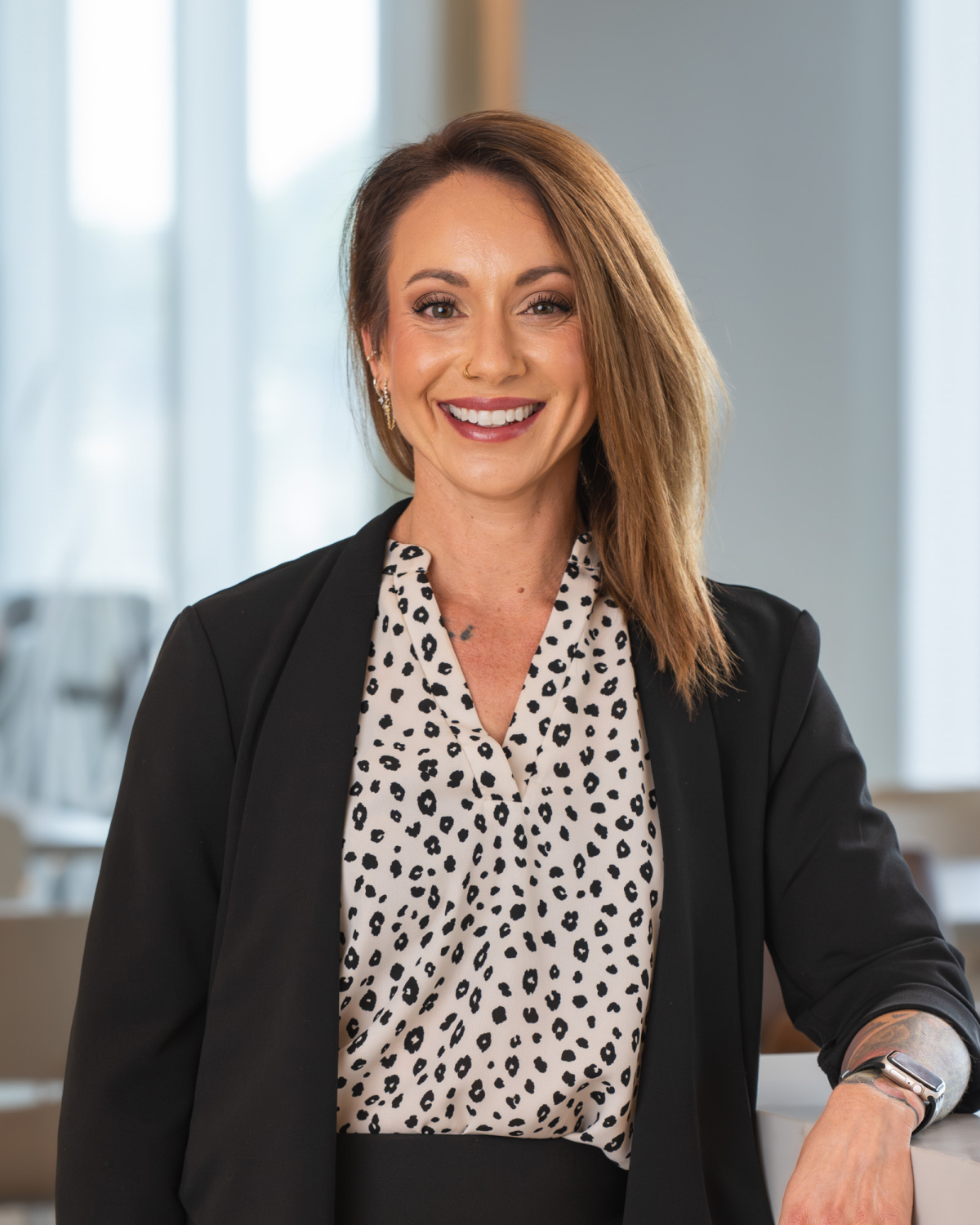
Erin Gustafson
Paralegal
About the Attorney
Erin Gustafson joined Hook Law in 2025, bringing a strong foundation in legal administration and a deep personal commitment to client care. With experience supporting attorneys in litigation and bankruptcy, she is skilled in managing case files, drafting pleadings and petitions, coordinating court filings, and maintaining all matters with accuracy and efficiency....
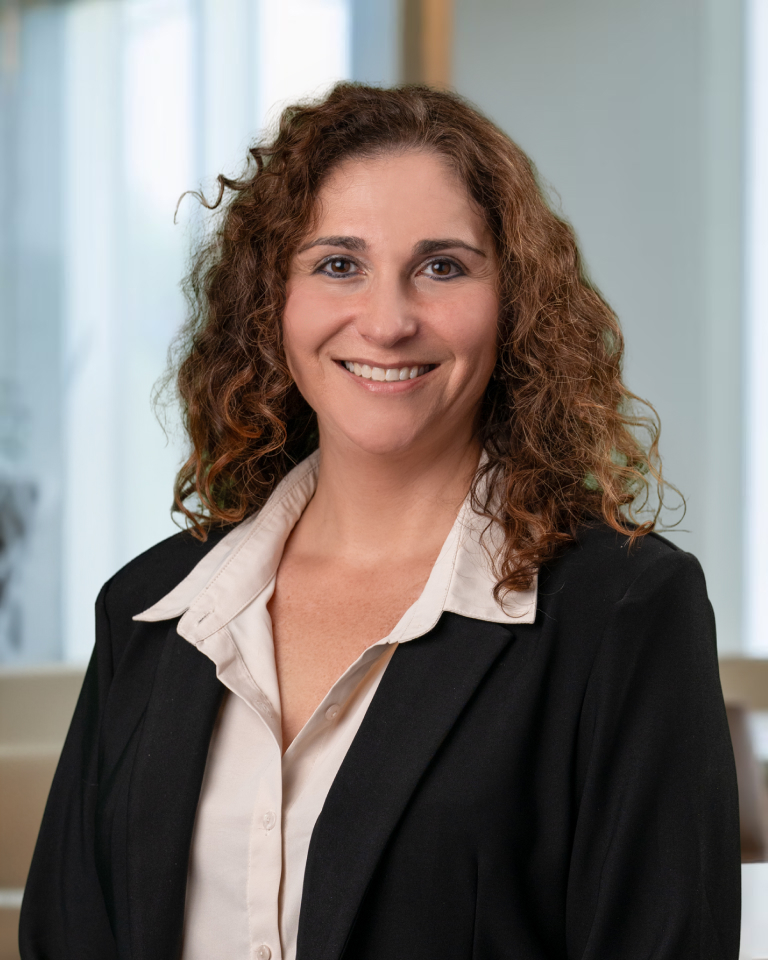
Edna Colucci
Attorney
About the Attorney
Edna Colucci joined Hook Law in 2024, bringing with her over two decades of legal experience and a reputation for excellence across a wide range of practice areas. Prior to joining the firm, Edna served as an attorney at a Richmond-based personal injury law firm, where she played a pivotal role in expanding the firm’s footprint by launching its Virginia Beach office. Before that, she successfully operated her own law practice in Fairfield, Connecticut. Known for her practical insight, empathetic client service, and meticulous attention to detail, Edna is particularly skilled at navigating complex legal challenges and crafting tailored solutions that align with her clients’ goals....
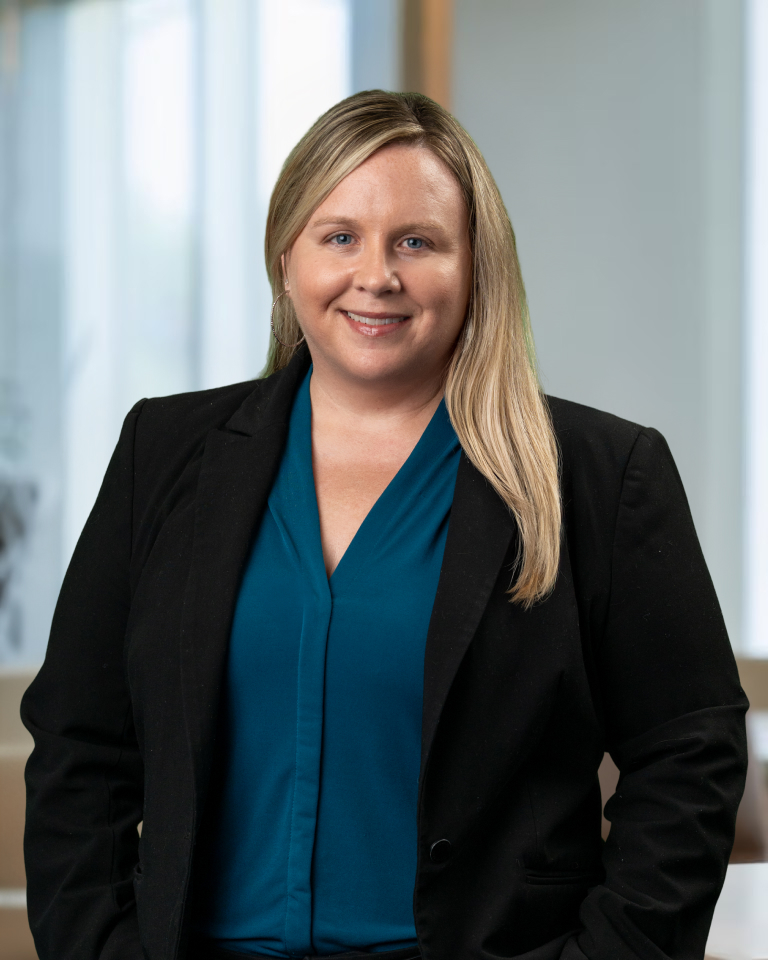
Ashli Carroll
Attorney
About the Attorney
Ashli Carroll joined Hook Law in 2025, bringing extensive experience in Elder Law, Estate Planning, Special Needs Planning, and wealth preservation strategies. She is passionate about helping families create comprehensive estate plans that protect their assets, honor their values, and prepare for the future with confidence....
Related episodes
Kim Hafford: Navigating Dementia, Caregiving & the Decisions Families Don’t Expect
When a parent begins showing signs of dementia, families can quickly find themselves making decisions they never expected to fa...
Aging Unfiltered: Real. Raw. Law.
In the first episode of Aging Unfiltered: Real. Raw. Law., Hook Law attorneys Edna Colucci and Ashli Carroll introduce the expe...